
Written November 5-9, 2025; Visited October 14 – 21, 2025
I knew little about the Basques before we decided to visit Basque Land in north eastern Spain. I knew there was a big community in northern Nevada, they had a distinct language and food, but beyond that, zilch. A bit of background; The Basque people have been around with their unique and distinct language (not related to the various European languages) since at least the Iron Age, 1st Century BC. There is thought their language links back to Paleolithic times! They are also quite genetically isolated but were great sea explorers and known to be fierce warriors and protectors of their land. Today, although a part of Spain, (since Franco’s demise they have become an autonomous region. With that, lets do a little exploring. We’ve already visited some mountain areas and eaten food inspired from Basque country. Lets visit the cities of which Bilbao and San Sebastian are the most well known.
Bilbao
Bilbao (Bilbo in Euskara, the Basque language) is primarily known for the Guggenheim Museum there.
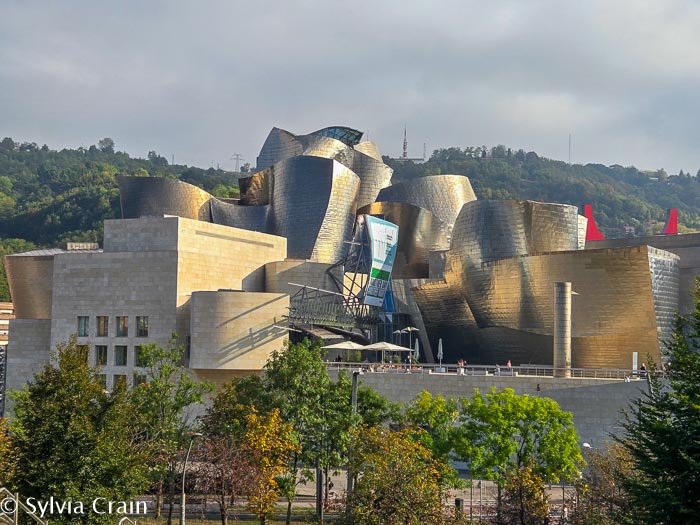
What a building and setting along the Nervion River. What an enjoyable city of wander, walk along the river and eat. Lots of good food!
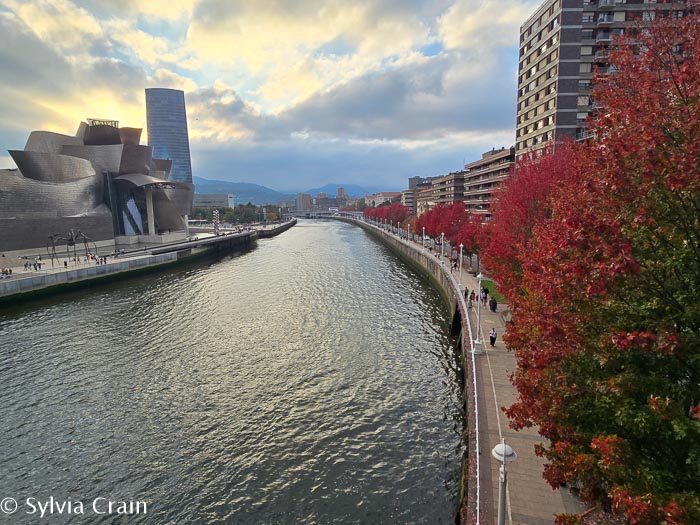
The Guggenheim Bilbao
We spent a day exploring the museum and I have to say it was surprising and a bit odd. I’m not sure what I expected, perhaps something regional or at least European from an artistic perspective, but all the artists were American and much of the work had a very current American sense. I guess since this museum is just one of several showing works from the Guggenheim collection and they are American, much of it might be of that ilk. The entire museum was primarily had 5 artists in massive spaces and thus, almost all the work was of a large scale. The building itself was amazing, but I have to say, I enjoyed the building more from the outside than inside.
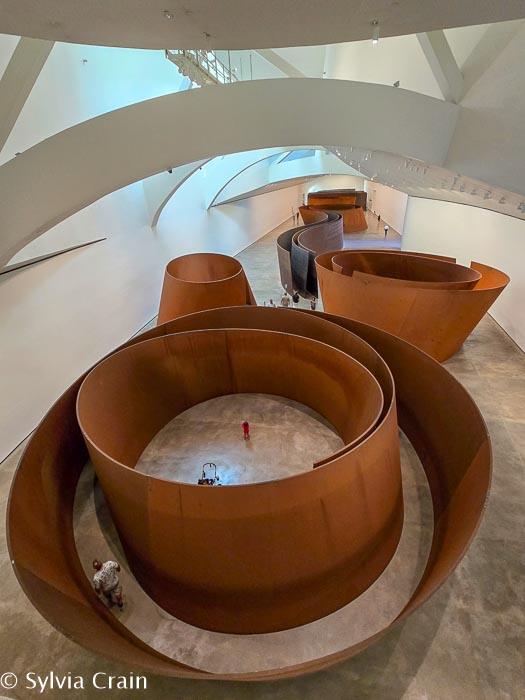
Richard Serra
My favorite by far was Richard Serra. His massive metal sculptures which you were meant to walk though and be a part of were quite fun. We also spent quite a bit of time with a film of how he works and build his pieces.
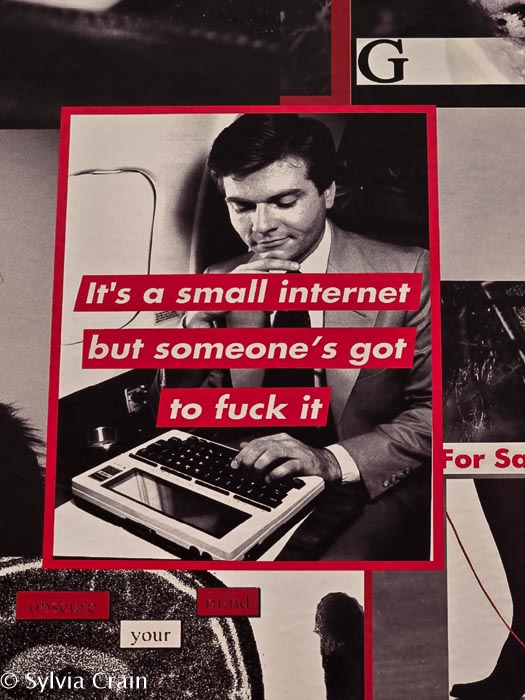
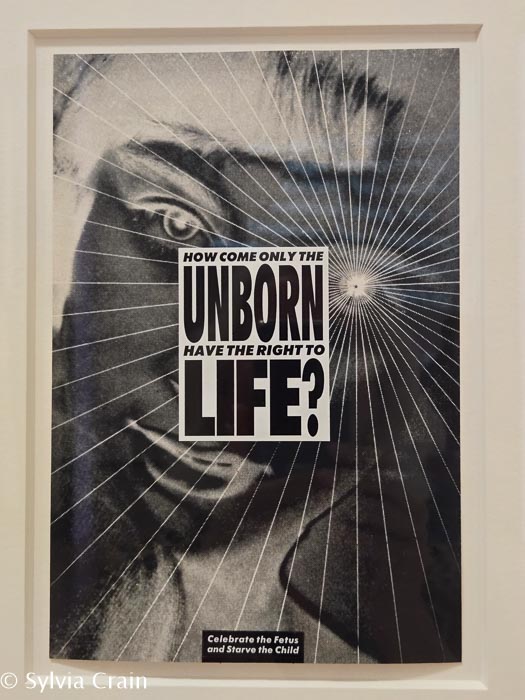
Barbara Kruger
Another American artist Barbara Kruger had quite a big exhibition of video, collage and spoken word. There were some interesting, though provoking pieces. I most enjoyed here wall size collages made up of images from magazines and print and in some case added text.

And of course, one cannot forget Puppy, (pronounced Poopy locally in Spanish) by Jeff Koons. What is not to like. He had recently been given a replanting of missing tufts.

The Food
As I had mentioned and you know if you have read recent posts, food was a theme of this trip. We hired a private guide to introduce us to the food of Basque Country. This was six hour walking tour, visiting the market and eating and drinking our way around old town Bilbao.
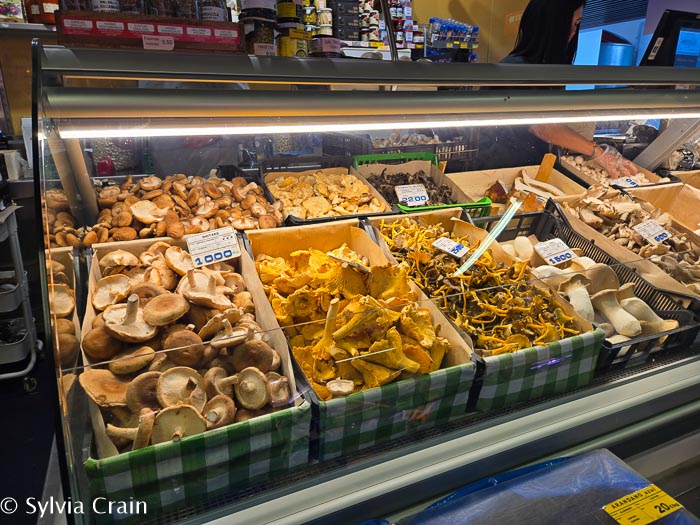
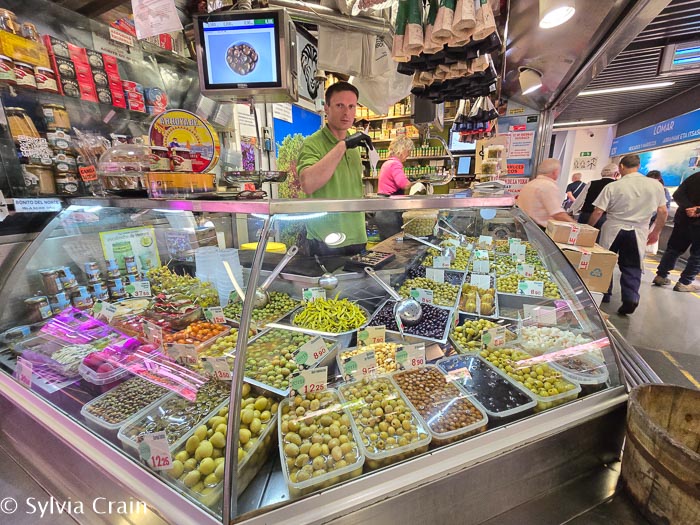
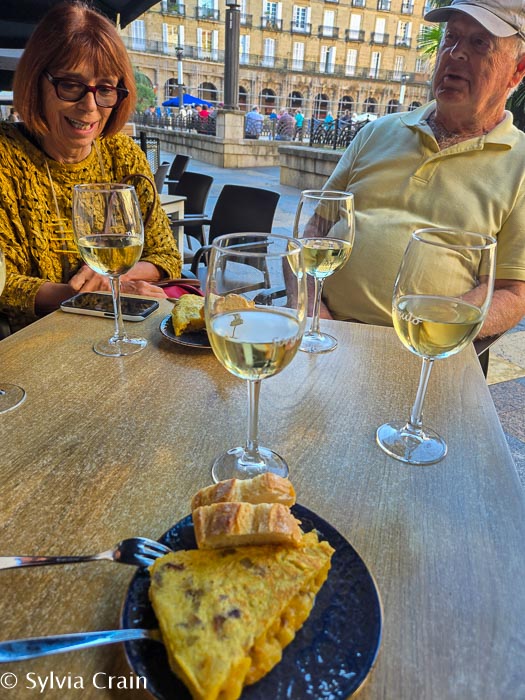
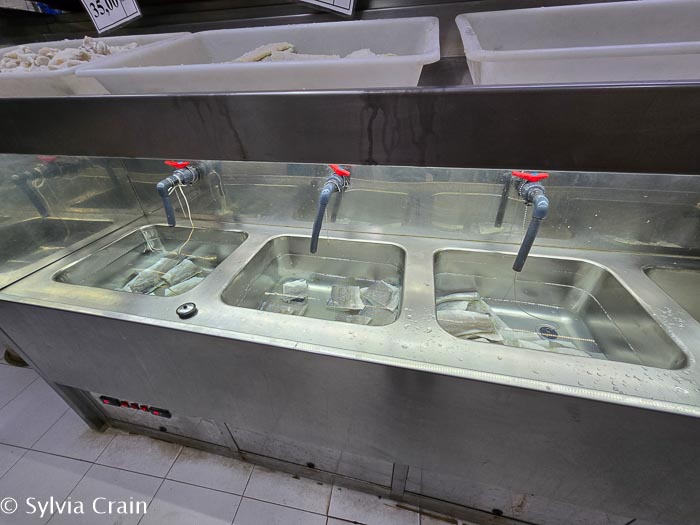

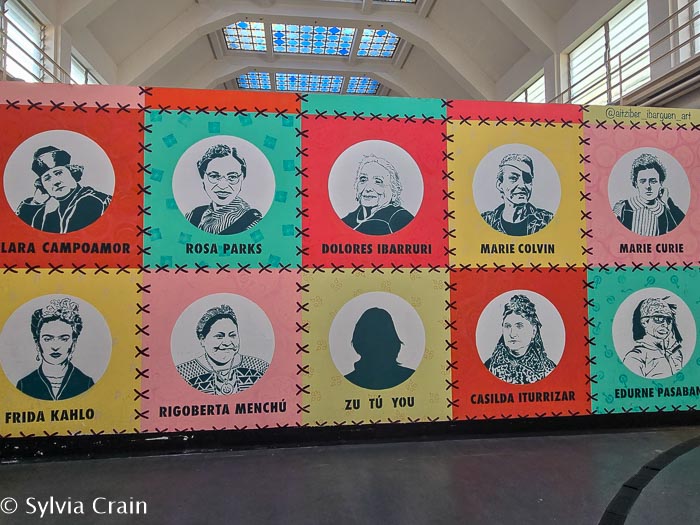
This was a great tour and I could go on for awhile showing you pics of incredible food. However, I’ll end this Bilbao food piece with an installation at the La Ribera market to celebrate women. A few I knew, but not all. Your homework is to look each of them up and learn about them. A very eclectic mix of smart, strong women.
San Sebastian (Donostia in Euskara)
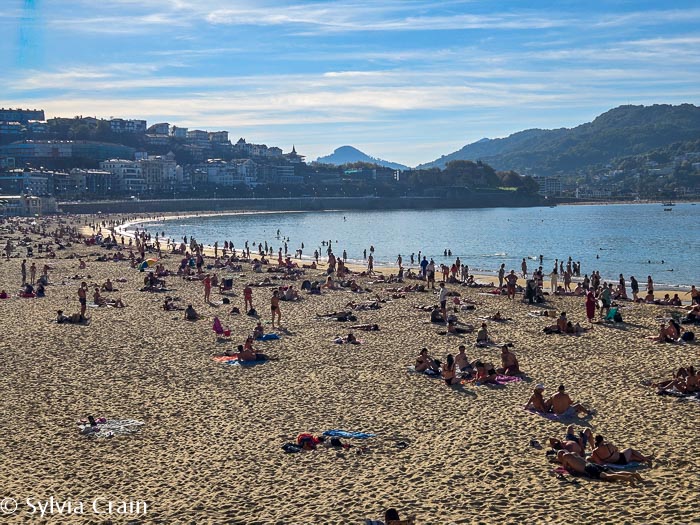
San Sebastian is and has been a very trendy spot for the rich and famous for many years. Situated very near the border of France, on the Bay of Biscay, it is a beautiful, old town, close to the mountains.
The Food
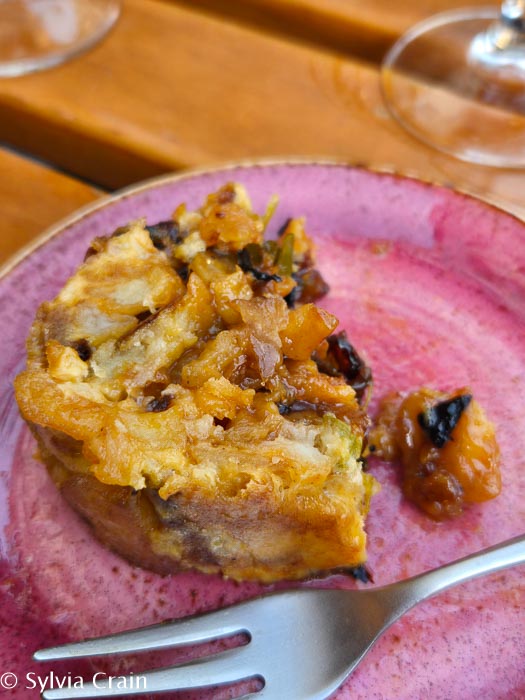
It has quite a foodie scene and we did another food tour here.
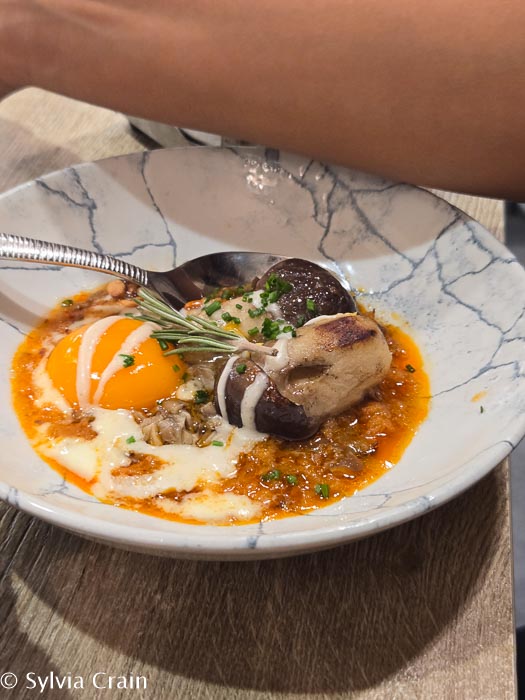

Seeing the Big Picture
Jim and I also took the funicular to the top of Monte Igueldo which provides a spectacular view of San Sebastian, the Bay of La Concha and the surrounding area.

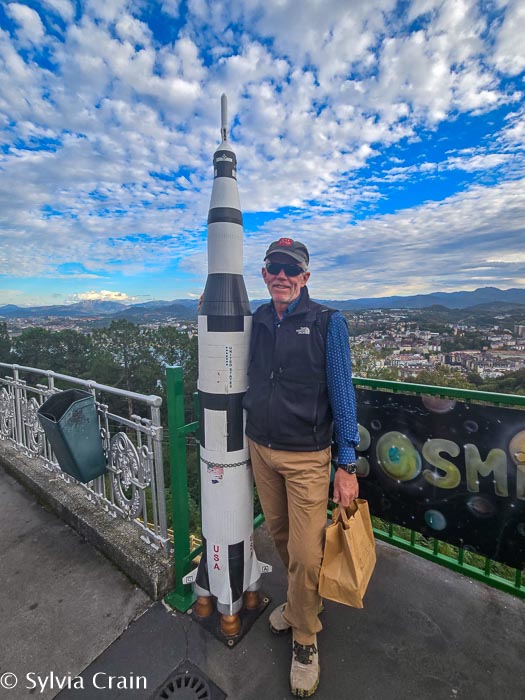
The Rest of the Town
San Sebastian is a town that seems to have fun. Perhaps that is just the resort and food scene and nice weather. In any case, it was a pleasure to wander.

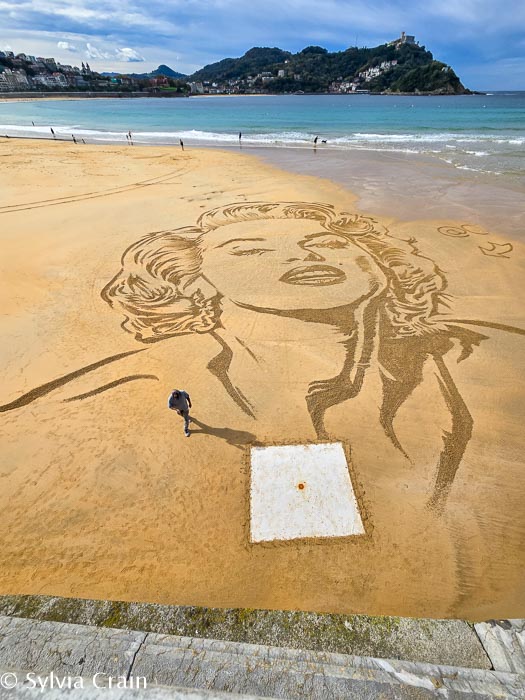


Around the Rest of Basque Country
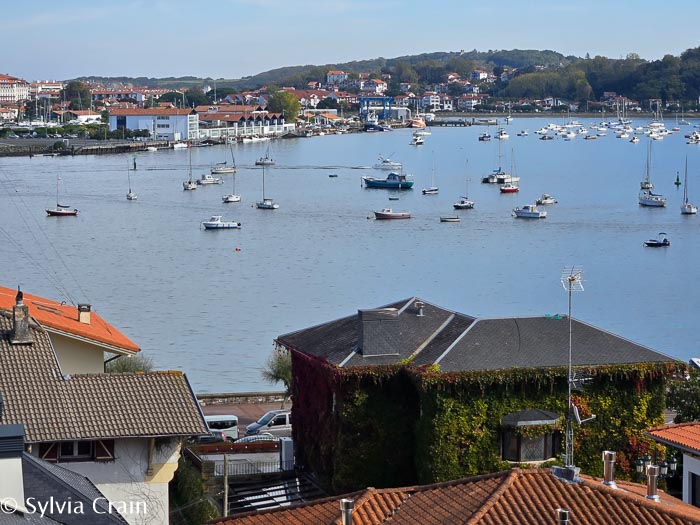
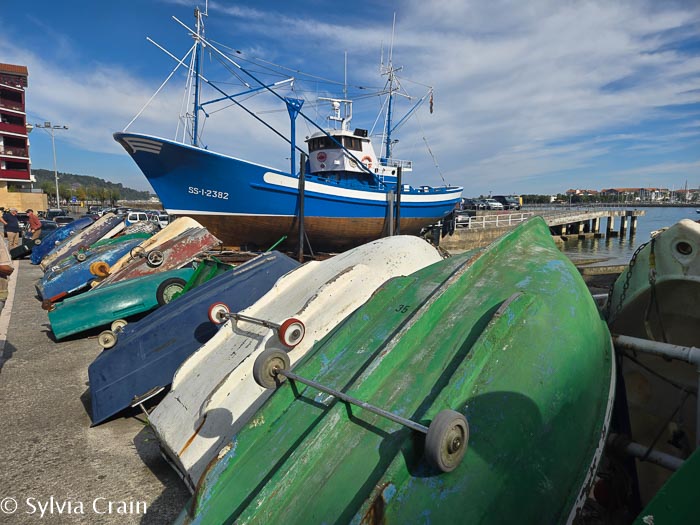
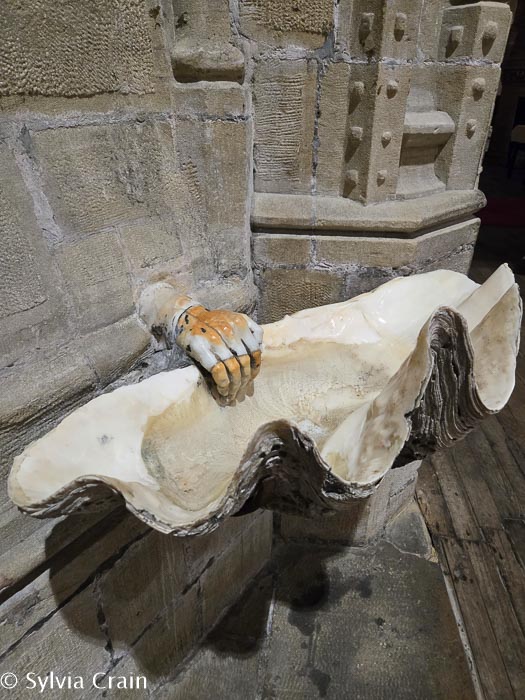
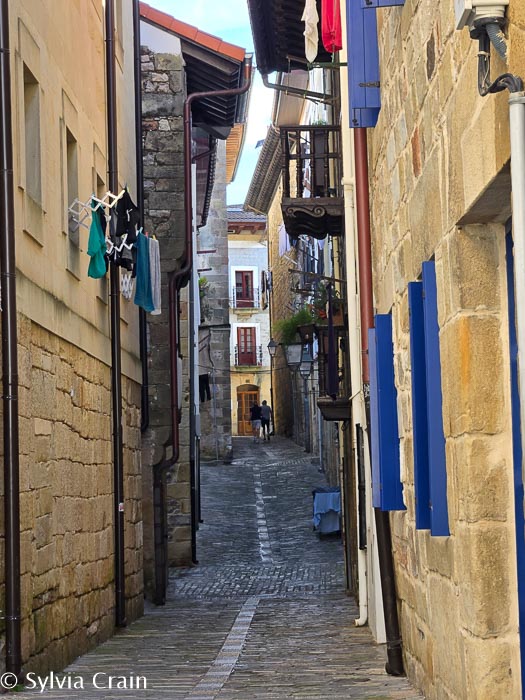
Hondarribia
A Spanish Basque town on the border with French Basque country, it has much more French influence. This was our opportunity to visit France (as a 4-some) without going to France. Frankly, I can’t say the influence was not noticeable to me, but it was a cute town.
Getaria
Another day trip from San Sebastian took us to Getaria.
Cristobal Balenciaga
Leesa really wanted to see the designer Cristobal Balenciaga’s museum and there were a couple spots along the way Jim and I wanted to visit.
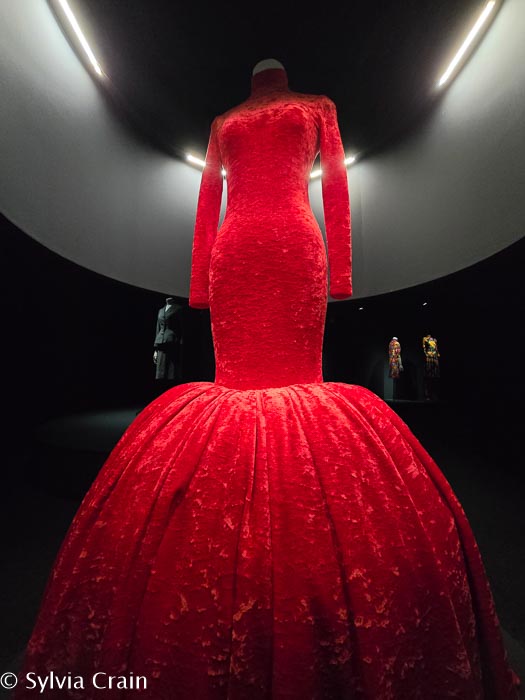
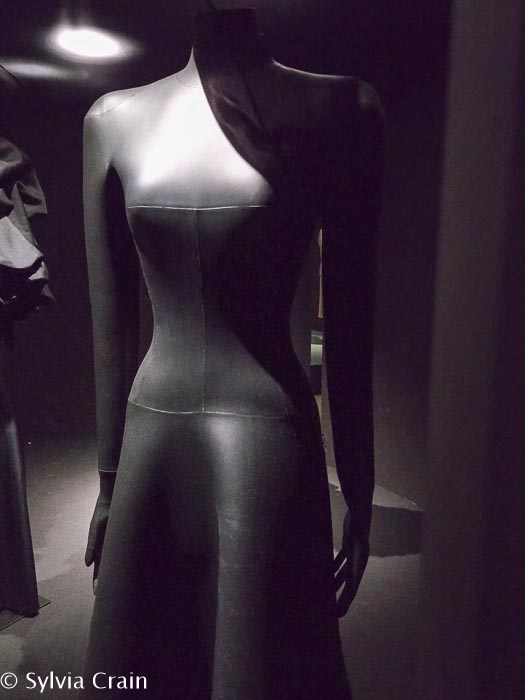
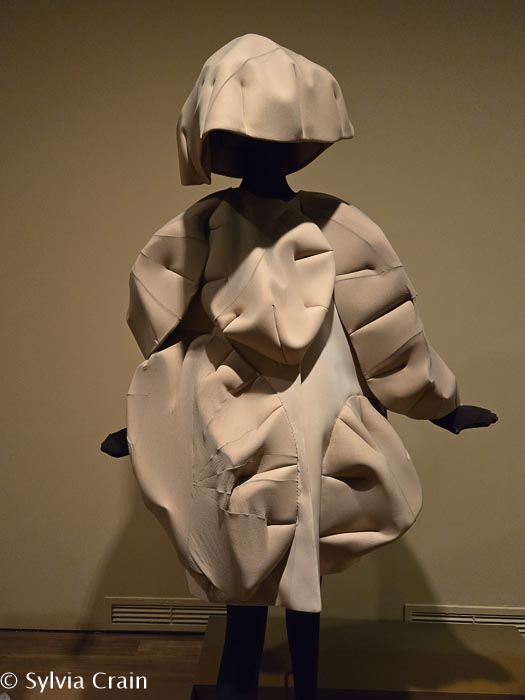
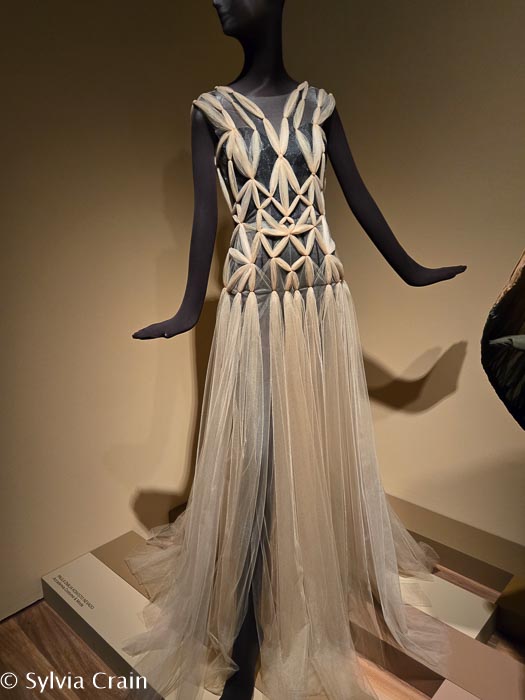
I did enjoy the museum quite a lot. Lots of information on designing and examples of the process. He had some amazing dresses made from a single piece of cloth folded and sewn from a single piece.
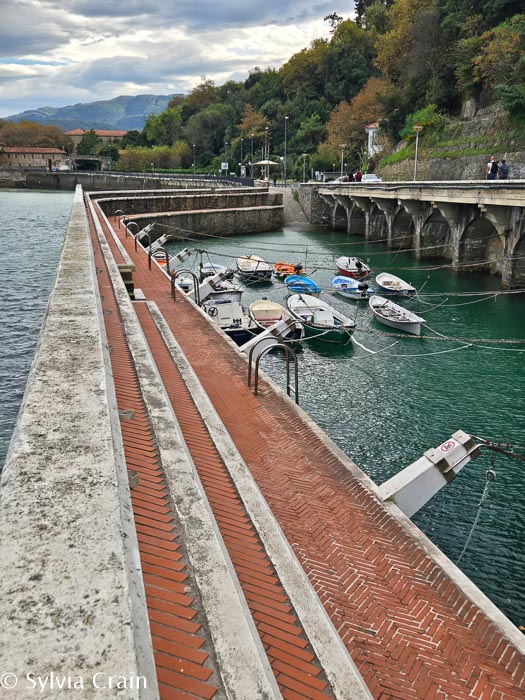
Zartuta
On our way back to San Sebastian, I wanted to stop and see this amazing tiny marina.
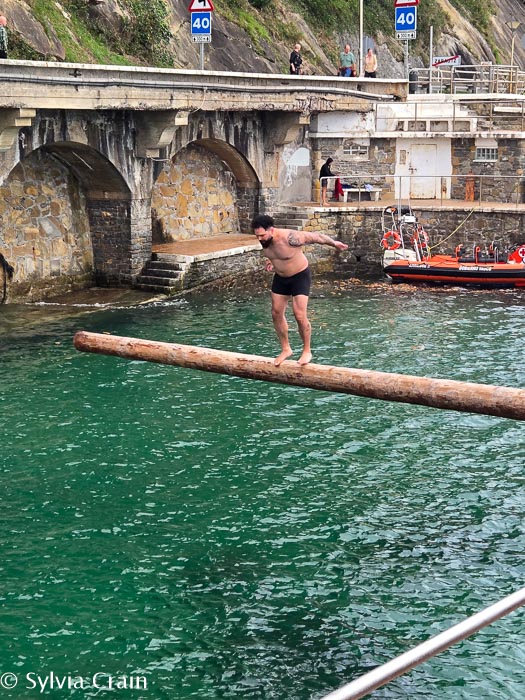
This completes our expedition of northern Spain. We spent two full weeks crossing northern Spain and drove roughly 1500 miles, not including getting to Galicia and back from San Sebastian in Basque Country which was another 1000 miles. The rental car company was surprised at the number of miles we went. I guess that is not typical. What an incredible adventure. I learned so much in this northern journey about people, history and food.
We had another couple days back in Madrid, but that will be another post!
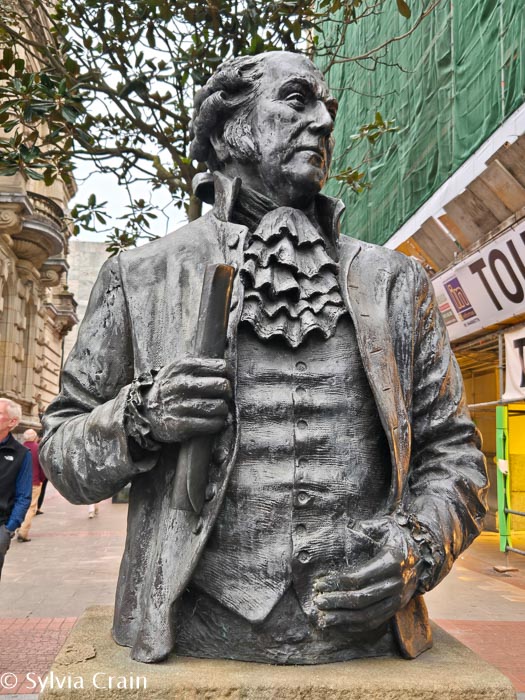
Ok, I’ll tell you; it is John Adams. But why? In the 1770’s Adams visted Europe to review constitutions and laws to help in formulating the US Constitution. During this trip he visited Bilbao. Adam wrote a 3-voloume work titled “A Defence of the Constitutions of Government of the United States of America” in 1787-88. He aparently wrote this in response to critisism of the proposed new American Government. His this we writes about the Basque people stating, “…this extraordinary people have preserved their ancient language, genius, laws, government and manners, without innovation, longer than any other nation in Europe”