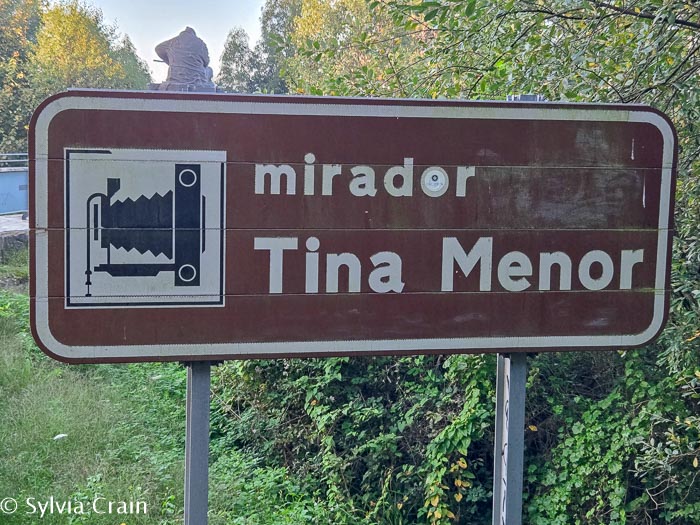
Written November 3, 2025, Visited October 12 – 17, 2025
We continued east and started to get into the real mountain territory. This portion of the trip was a mix of mountains and small sea town, food and caves. I’m mixing things up a bit here and not providing a chronological visit. The cities, Bilbao and San Sebastian will be grouped in another post as the mountains and little sea town visits along with the caves and “mountain food” fit for me.
The Mountains
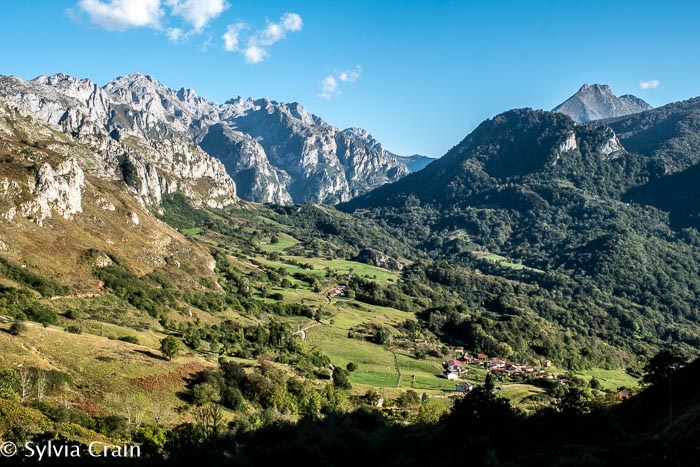
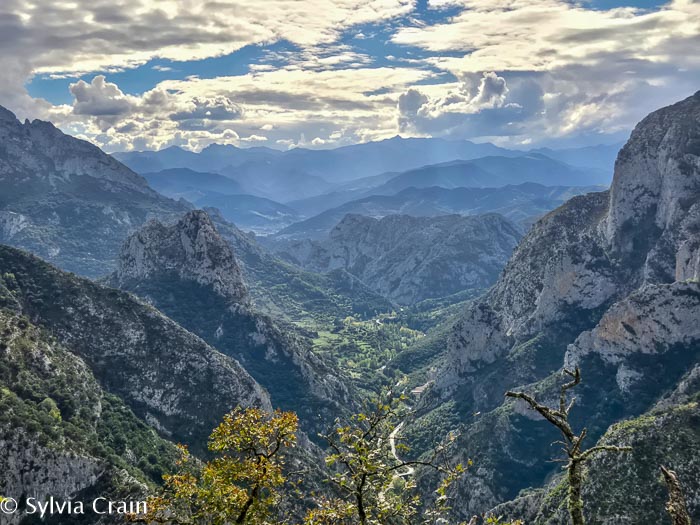
I knew about the Pyrenees between Spain and France, but did not really know where were mountains in Spain between the northern coast of Spain and the central Iberian peninsula (nearly down to Madrid; the Cantrabrian Mountains include the Europa Picos. I love geography and but knew nothing of these mountains before this trip. These are rugged, tall (8000 ft or so, so seem tall as they are close to the coast), formed from limestone and glacial action. They run west to east from the Cantabrian region nearly to the French border.

We all wanted to get into these mountains. There are several north to south canyons (with roads through the river valleys) that lead through these mountains and up into and through them. We just picked roads into the mountains, and then found view points and west to east roads once at elevation to traverse the range and explore this area. We had several days do so with other excursions interspersed. I’ll let the pictures mostly speak for themselves.



The Sea
We were staying in a little town (Cudillero in Asturias) on the hills overlooking the steep hills to the sea. The Bay of Bisque is a big pocket bay (the entire sea) between France and Spain that can be rough and fierce. Beautiful rugged coast with beautiful coast lines.
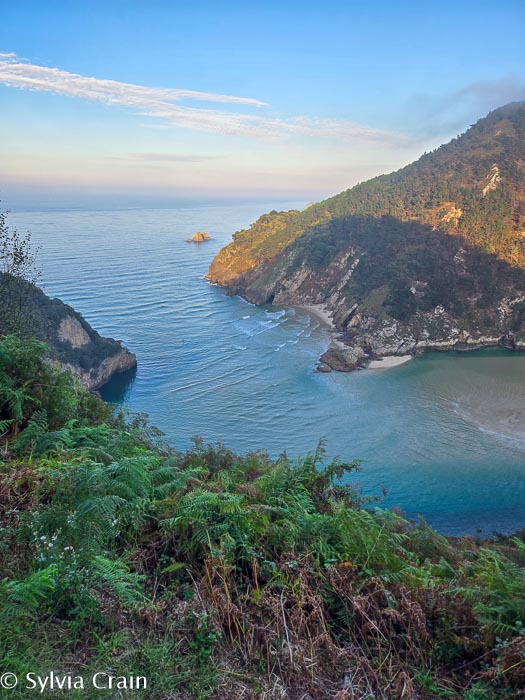
Cute towns perched above or at the sea of proud, isolate people living a live of fishing and mountain life combined.


The Caves
We had another cave to visit, The Altamira Cave, a paleolithic cave painted roughly 22,000 years ago. It is not possible for “regular people” to visit the cave any longer. After discovery in the 1880’s until 1977 thousands of people visited the cave each year with an estimated of between 150,000 to 175,000 each year in the 1970’s! There was so much concern that the human activity and CO2 produced by humans would completely destroy the cave paintings that they cl0sed the caves to visitors in 1977 except for those studying it.
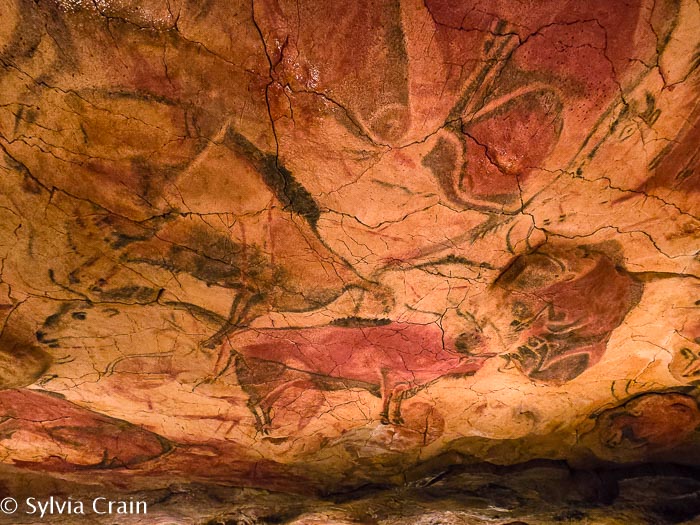
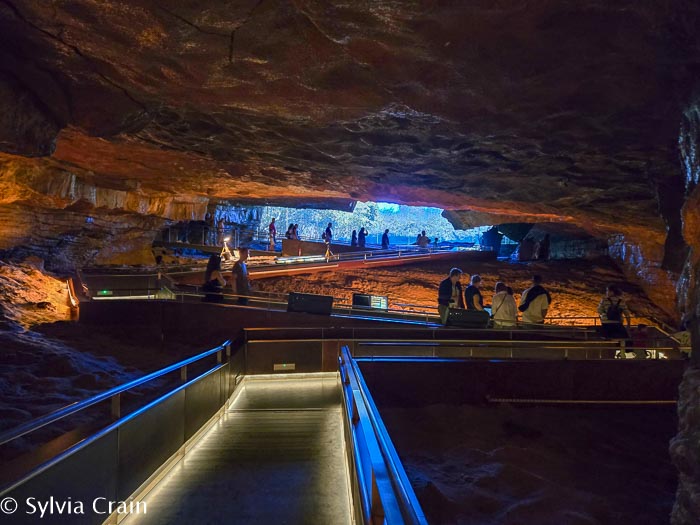
Happily, as with several caves in Europe, they have created incredibly authentic reproductions of the caves for people to visit. They are incredibly good and accurate (although way too crowded).

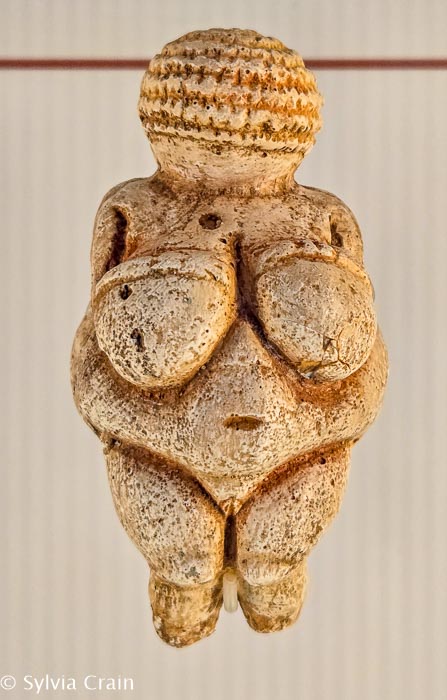
They also have a great museum that discusses prehistory, the growth of various humanoid species in Europe and provides lots of useful artifacts to help in understanding the development of humans in Europe.
The Wine
We made one winery visit in the La Rioja region. A very interesting winery, Bodega Gomez Cruzado . Founded in 1886, it has undergone several changes of ownership but interestingly, all the owners were Mexican The first owner had family roots in this area and wanted to start a winery in the area. We had a nice tour of the winery and then did a bit of tasting, and buying!


Another Michelin Restaurant
Leesa was on the hunt for interesting food of the various regions we visited. She found an amazing restaurant, ARREA! the provided a glimpse of the foods of the mountain region in a modern way with lots of fermentation, smoking, drying and very interesting takes on the historical foods of the region. The chef was originally from this region and had his Michelin restaurant in his small home town, Santa Cruz de Compezo. This was in the mountains, but in Basque Country. So very different than our other Michelin restaurant, this place is much more relaxed and has a locals bar and menu options that are much more in line for someone not wanting spend lots of money.


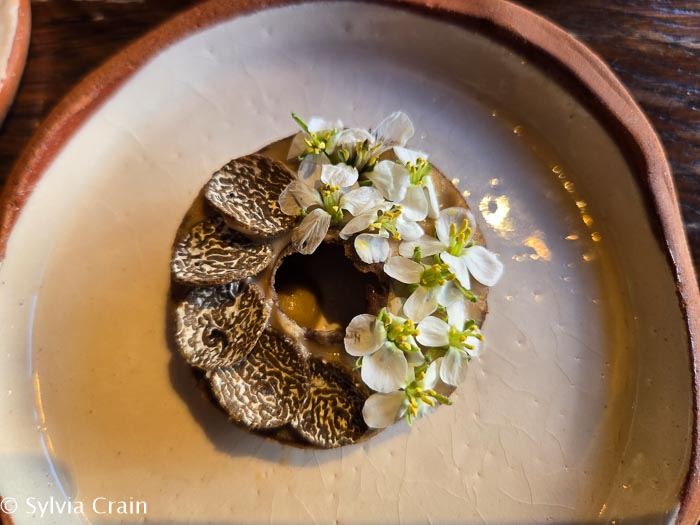
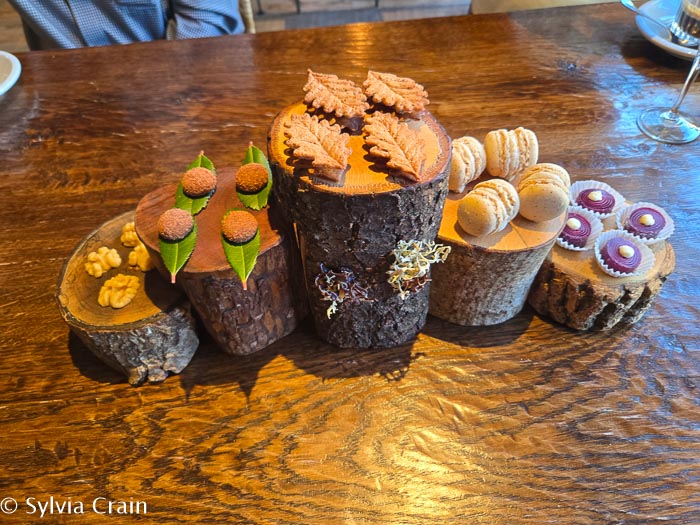
This was a completely amazing meal and likely the most creative I’ve ever had!
This portion of the trip was perhaps my favorite as I loved getting into the mountains and being in nature. Always my happy place. I still need to take you through Basque Country and back to Madrid. And that just gets us out of Spain…!